PART 4 RELATIONSHIP WARS PSALM 129 (FRIENDS, FAMILY, FELLOWSHIP)
ARTICLE 4 of 4
RELATIONSHIP WARS PSALM 120
GOD’S BLUEPRINT FOR UNDERSTANDING TOXIC RELATIONSHIPS, EMOTIONAL DISTRESS & RELATIONAL WARFARE**
(C) 2025 Taveau D’Arcy Creative Leadership All rights reserved
Note this is a companion series to REAL RESPECT: Emotional Drama & Family Witchcraft 4 parts

Practical Training for Ministers, Leaders, and Households
How to Build Peace in Environments Filled With Emotional War
Psalm 120 reveals a believer surrounded by people who resist reconciliation. In this final section, we turn from diagnosis to training. How does a Christian—especially a leader—create a culture of respect, truth, and peace when others prefer conflict?
Part 4 gives actionable tools for pastors, families, spouses, and ministry teams to walk out real-world emotional holiness, based on the earlier teachings.
1. Understanding the Core Issue: War in the Heart
Psalm 120 shows us that relational warfare begins internally before it becomes external. People choose conflict because:
-
Their heart is unsettled.
-
They fear loss of control.
-
They distrust honest conversation.
-
They have unhealed trauma.
-
Their identity is insecure.
-
Their emotions rule instead of the Holy Spirit.
The psalmist is surrounded by people who “hate peace” because peace requires humility, and humility feels threatening to a pride-driven heart.
Ministry Application:
A leader must discern between willful rebellion and wounded reactions, responding with both truth and compassion.
2. The Minister’s Role: Creating a Safe Culture of Communication
Ministers are called to help believers move from emotional chaos to Christlike clarity.
A. Establish Non-Negotiable Communication Values
These should be modeled and taught:
-
Honesty without cruelty, mean accusation, blaming, shame)
-
Humility without passivity, impure avoidance, ‘false fronts”
-
Listening without interrupting/shouting over, control and shutting down
-
Boundaries without coldness, sly control
-
Accountability without shame (Isaiah 1:18)
-
Courage without aggression
These values reflect James 3:17 wisdom.
B. Confront Manipulation and Drama Lovingly
If someone uses:
-
silent treatment
-
emotional collapse
-
exaggerated reactions
-
shifting blame
-
rewriting history
-
playing the victim
A minister must gently say:
“This is not how Christ teaches us to communicate. Let’s slow down and talk honestly.”
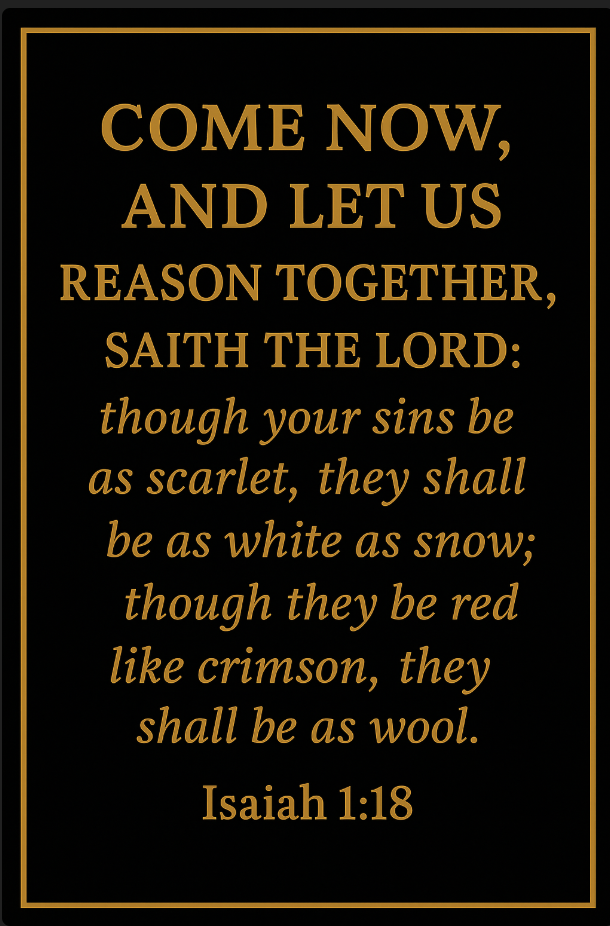
C. Promote an Isaiah 1:18 Culture
This means:
-
reasoning together
-
speaking openly
-
acknowledging misunderstandings
-
working problems out like adults
-
refusing to retreat into anger, fear, or drama
The minister must become a relational thermostat, not a thermometer.
3. Training People to Move From Drama to Dialogue
Many believers never learned healthy tools for resolving conflict. Part 4 offers practical training steps you can teach in sermons, small groups, and marriage counseling.
Step 1: Slow the Pace,
Drama speeds up; peace slows down.
Ask:
“Can we pause and talk calmly after we pray?” (Galatians 6;1/ Matt 18:15, 16, James 3:17 peaceful fruit)
Step 2: There is NO “Knee Jerk Spirit” Reactions, Speak With Honesty AND Honor
Truth without honor is harsh. It surfaces in many a dull of accurate deep perception “evil eye “religious spirit” ,”trigger’ defense, opposing .. come back”
Honor without truth is shallow.
Christ gives us both.
Step 3: Own Your Part First
Model humility:
-
“Here’s what I missed…”
-
“Here’s what I misunderstood…”
-
“Here’s what I should have done differently…”
This lowers defenses.
Step 4: Ask for Clarity Before Reacting
Drama assumes.
Peace asks.
Ask:
“Can you help me understand what you meant?”
Step 5: Name the Real Issue
Most fights are symptoms, not causes.
Help them identify:
-
hurt
-
fear
-
insecurity
-
misunderstanding
-
past wounds
-
pride
-
communication habits learned in childhood
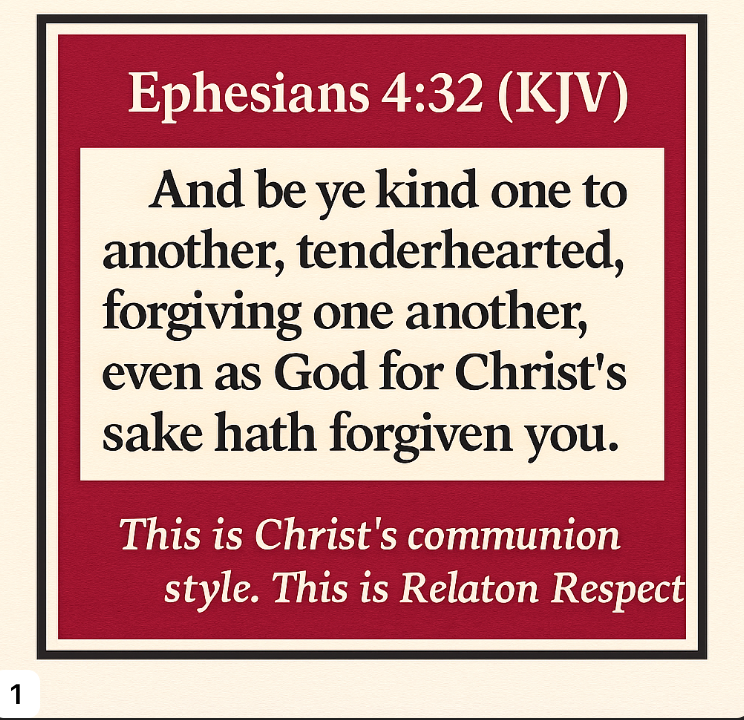
Step 6: Choose CHRIST’S PURE WAY; “Perserving, saving the Relationship” meaning The CHOICE IS Reconciliation Over “Winning”
Psalm 120 shows two sides—one wants peace, one wants war.
Spirit-filled believers choose the peace pathway, even when tempted to “win.”
4. Breaking the Cycle of Emotional Punishment
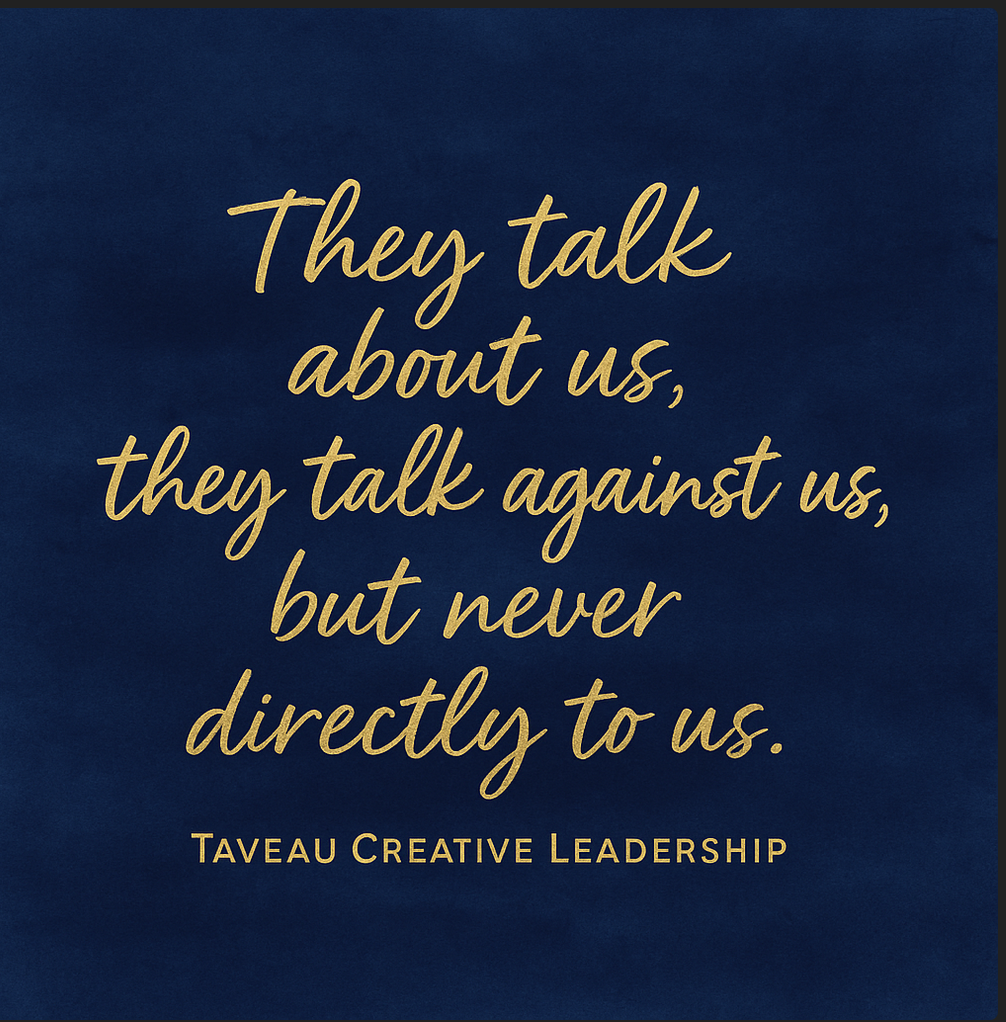
Psalm 120 reveals relational climates where people punish instead of communicating.
Common Punishments:
-
withdrawing affection
-
using silence as a weapon
-
explosive anger
-
sarcasm or contempt
-
twisting words
-
involving others (triangulation)
-
quoting Scripture to dominate
These behaviors are spiritually unsafe and must be named.
How Ministers Train People Out of This:
-
Teach boundaries
-
Teach healthy repentance
-
Teach quick forgiveness
-
Teach emotional responsibility
-
Teach conflict resolution skills
-
Teach that control is not leadership
Psalm 120 shows us what not to be. Christ shows us what to become.
5. Establishing “Peace Covenants” in Homes and Churches
A Peace Covenant is a relational agreement—written or spoken—that establishes expected behavior.
A Peace Covenant Might Include: (discuss during the calm, nice, sweet times, also pre-marriage counseling)
-
No yelling
-
No name-calling
-
No silent treatment
-
No emotional punishment
-
No walking away mid-conversation
-
No weaponizing Scripture
-
No blaming without ownership
-
No gossip to third parties
Plus:
-
Always listen respectfully
-
Always ask before assuming
-
Always pray before major conversations
-
Always pursue reconciliation
-
Always protect dignity
A Peace Covenant creates emotional safety, which is the soil where spiritual maturity grows.
6. Pastoral Discernment: Knowing When to Step Back
Sometimes, the psalmist’s situation applies:
You cannot reason with someone who does not want peace.
Ministry wisdom includes knowing when to:
-
stop forcing conversations
-
stop chasing someone who refuses to reconcile
-
stop absorbing emotional punishment
-
stop volunteering for someone else’s drama
-
commit them to God’s care
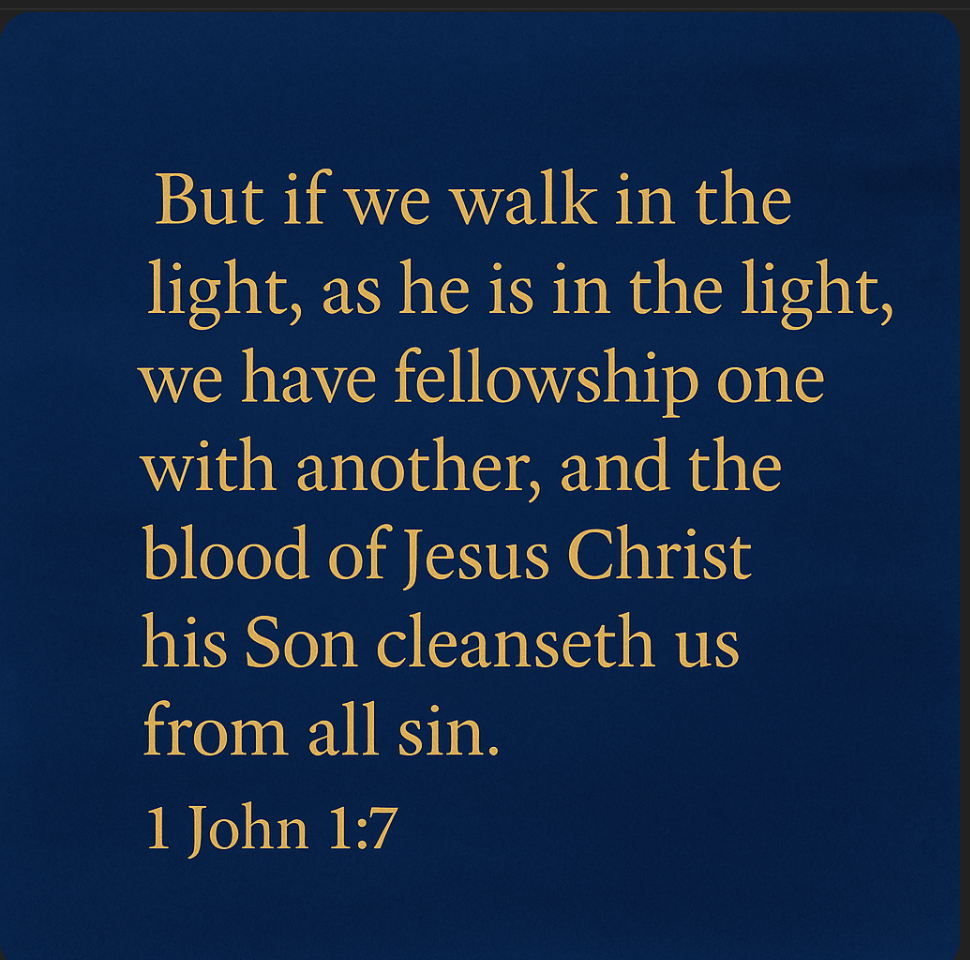
Jesus Himself withdrew from hostile hearts (Mark 3:6; John 7)

7. How Christ Forms a Person of Peace
A believer becomes “for peace” through:
A. The Holy Spirit’s work
He transforms reactive people into responsive people.
B. Renewing the mind
Replacing defensive, suspicious thinking with truth and clarity.
C. Healing past wounds
Much conflict is unhealed pain seeking expression.
D. Practicing emotional self-control
Maturity is learned, not instant.
E. Spiritual humility
Humility is the foundation of all relational peace.
Psalm 120 reveals the tension; Jesus reveals the transformation.

8. Conclusion: Living as a Person of Peace in a World of War
Psalm 120 ends with a line that defines spiritual leadership:
“I am for peace: but when I speak, they are for war.”
This is not weakness.
It is strength under control.
It is emotional intelligence rooted in the Holy Spirit.
It is the heart of Christ expressed through ordinary communication.
A person of peace:
-
chooses truth
-
chooses clarity
-
chooses humility
-
chooses responsibility
-
chooses reconciliation
-
chooses dignity
-
chooses Christlike dialogue
And if others choose war?
That is part of Christ following “many sacrifices” undue trials and many unexpected, even uncalled for direct tests, But THAT IS WHY CHRIST is the ongoing SAVIOUR and the “one who is there” Also His Holy Bible and “fellowship in the church”
TIP
You stay anchored in Christ. You look to no other personl Psalm 121, Psalm 118:9, 10, Micah 7;5
And agree with the mature Psalmist, young Kind David, who was also being chased by his formidable enemies, but also his family.
“Lord, YOU’RE the strength of my life, my portion forever.”
Any Questions; Contact Dr Taveau
(C)2025 Taveau D’Arcy Creative Leadership all copyrights reserved in conjunction with AI