PART 3 RELATIONSHIP WARS PSALM 120 (FRIENDS, FAMILY, FELLOWSHIP)
ARTICLE 3 of 4
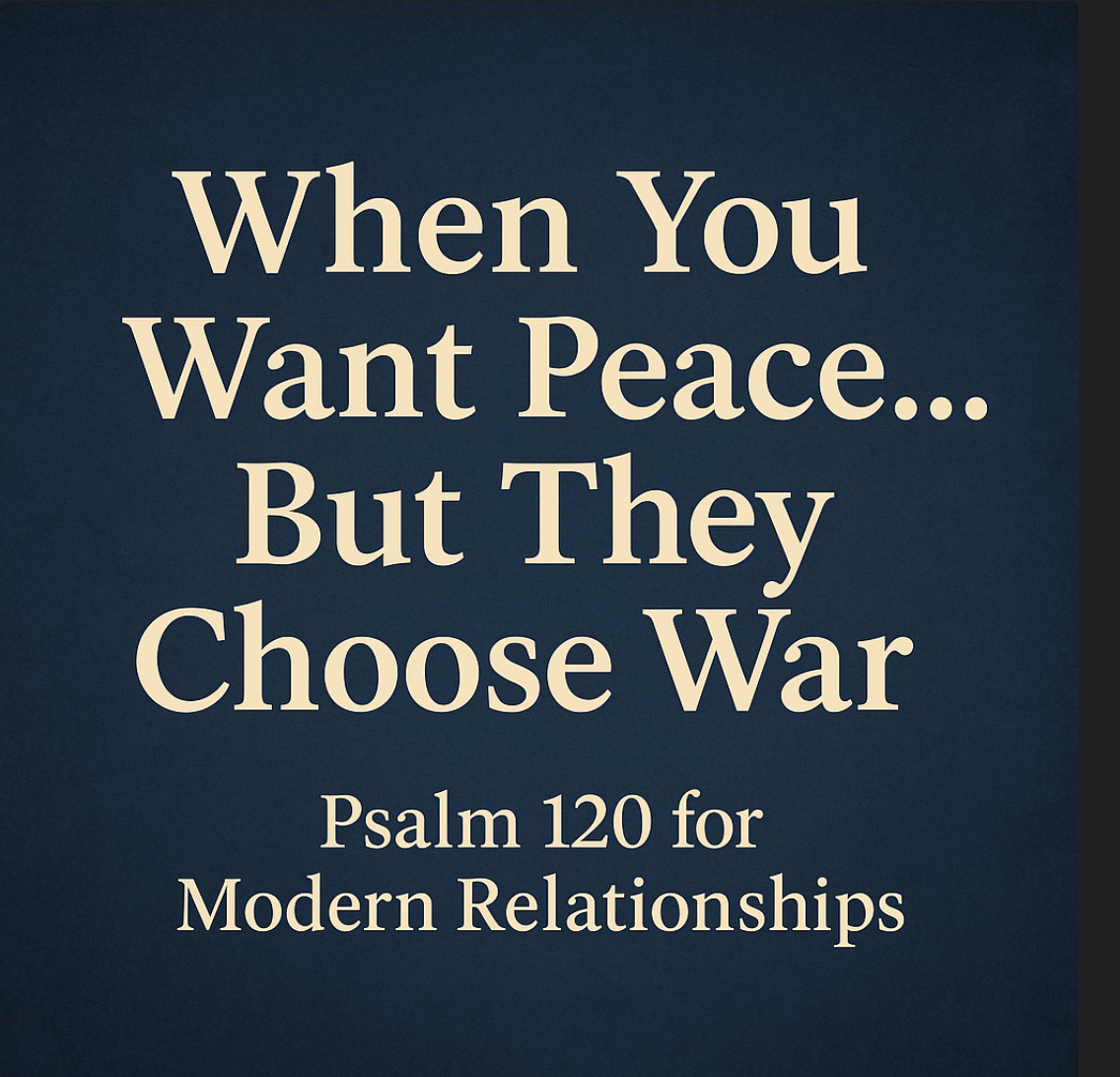
RELATIONSHIP WARS PSALM 120
GOD’S BLUEPRINT FOR UNDERSTANDING TOXIC RELATIONSHIPS, EMOTIONAL DISTRESS & RELATIONAL WARFARE**
(C) 2025 Taveau D’Arcy Creative Leadership All rights reserved
Note this is a companion series to REAL RESPECT: Emotional Drama & Family Witchcraft 4 parts
The Spirit of Christ vs. the Spirit of Control**
In Part 1, we explored the cry of distress, and in Part 2, we identified the emotional and relational tactics that mirror “lying lips,” “deceitful tongues,” and people who “hate peace.”
Now in Part 3, we go deeper into the transformation of the believer, the contrast between human nature and Christlike character, and the call to relational purity, maturity, and respect.
Psalm 120 is not only a lament; it is a mirror, showing the difference between:
-
a heart shaped by the Spirit of Christ
and -
a heart ruled by insecurity, domination, manipulation, or fear.
This is where the psalm becomes ministry training, marriage guidance, leadership equipping, and self-examination for every believer.
1. Human Nature Without Christ Produces Relational Darkness
Psalm 120 reveals a relational world where some people:
-
resist peace
-
reject dialogue
-
refuse accountability
-
hide behind drama or silence
-
punish others emotionally
-
distort truth
-
turn conversation into conflict
These traits do not come from spiritual maturity; they arise from the old nature, the unredeemed patterns within the soul.
Human nature produces:
-
defensiveness
-
jealousy
-
fear-based reactions
-
attempts to control others
-
blame-shifting
-
emotional manipulation
-
avoidance of truth
-
hostility toward peace
This is what the psalmist meant when he said:
“My soul hath long dwelt with him that hateth peace.”
It is the exhaustion of living with a person whose heart is not governed by the wisdom of God.
2. Christlike Character Produces Relational Safety
When the Holy Spirit governs a heart, the person becomes safe to relate to.
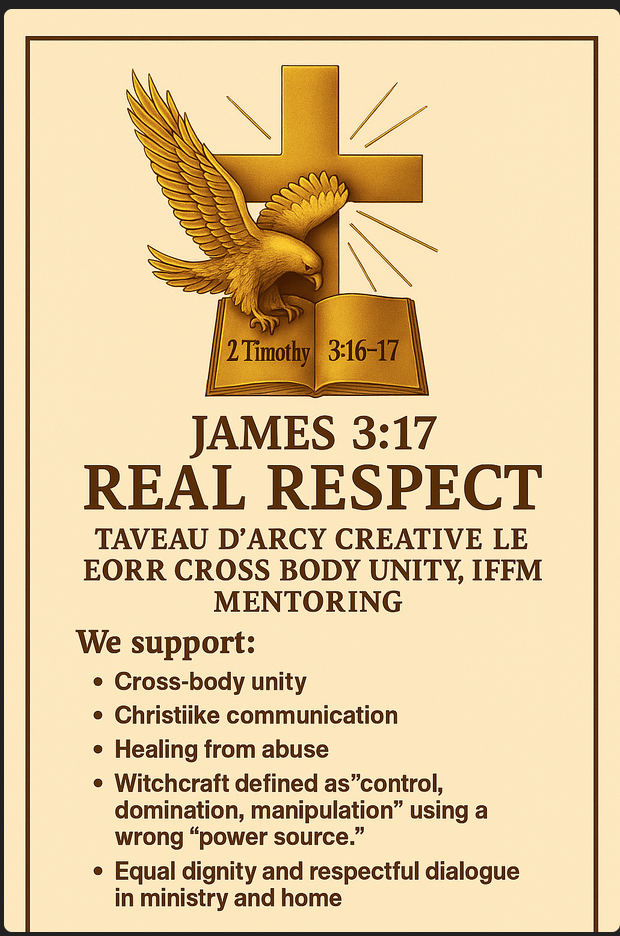
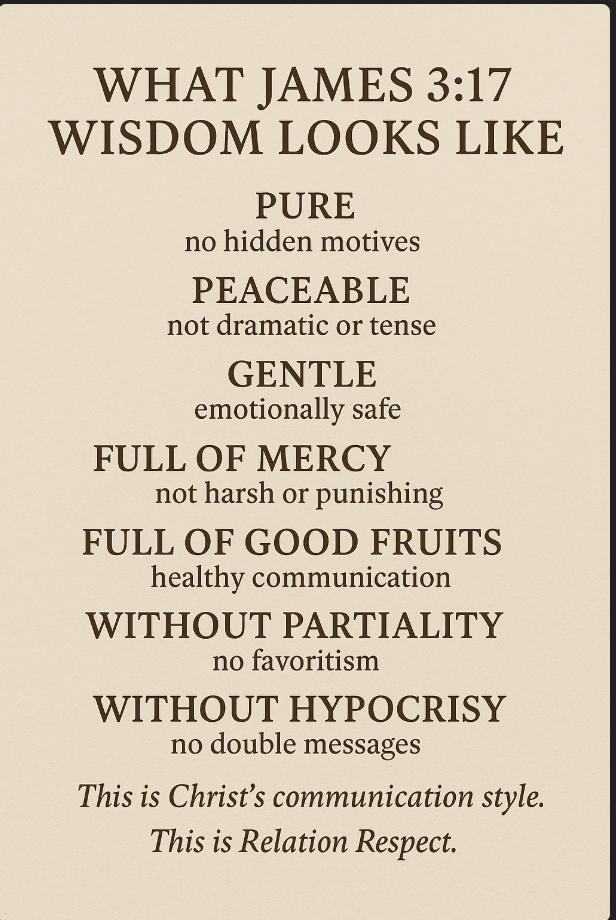
James 3:17 shows the opposite of the “war-spirit” in Psalm 120:
“The wisdom that is from above is first pure, then peaceable, gentle,
and easy to be intreated…”
This means:
-
approachable
-
gentle when confronted
-
humble when corrected
-
not easily offended
-
able to negotiate and reason
-
not controlling
-
not emotionally punishing
The Spirit of Christ creates relationships where people do not fear:
-
retaliation
-
silent treatment
-
emotional shutdown
-
verbal attacks
-
character assassination
Instead, Christ forms people who reflect:
-
patience
-
truth
-
mercy
-
relational safety
-
accountability
-
genuine humility
Psalm 120 contrasts two relational kingdoms:
the kingdom of peace and the kingdom of emotional warfare.
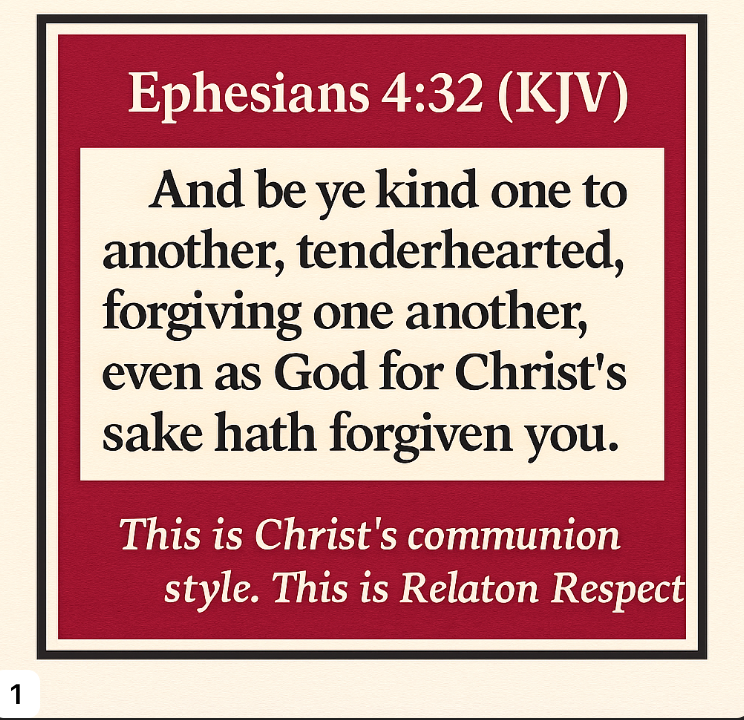
3. “I Speak Peace, but They Choose War” — The Root of Many Relationship Problems
This line describes:
-
marriages where only one spouse tries
-
families where one person refuses conversation
-
ministries where leaders shut down contrary opinions
-
friendships where one is always on guard
-
church culture built on fear, control, or emotional volatility
It is the dynamic where one person:
-
opens the door for reconciliation
-
invites reasoning
-
tries to work things out respectfully
-
seeks mutual understanding
…but the other responds with:
-
conflict
-
avoidance
-
emotional weapons
-
insults
-
defensiveness
-
spiritual intimidation
-
shutdown
This is not merely “personality difference.”
Scripture calls it a spiritual heart posture.
Where Christ reigns, peace reigns.
Where control reigns, conflict reigns.
4. Why Some Believers Still Operate in “War Mode”
Even Christian people can default to emotional warfare because of:
A. Unhealed trauma
Control becomes a shield, not a sin they notice.
B. Learned family patterns
People repeat what their parents modeled unless the Holy Spirit retrains them.
C. Fear of vulnerability
Peace requires honesty; some prefer anger or silence because it feels safer.
D. Spiritual immaturity
They know doctrine, but not the ways of Christ.
E. A “Saul spirit”
Jealousy + insecurity + authority misused = emotional spears.
F. Pride
Some will never say, “I was wrong.”
And thus they remain at war—externally and internally.
Psalm 120 becomes a diagnostic tool:
Peace-resistance reveals an unyielded part of the heart.
5. The Call to Ministers: Teach God’s People RELATIONSHIP “REAL RESPECT” which is both moral, Bible, whole Relational (no Big Boss) Purity
THE MAIN VAIN POINT
The modern church often focuses on gifts, miracles, platforms, and titles—yet neglects family, Holy Fear of the Lord “direct” Godly relationship real respect, which is ‘other centered ” “humble valuing” and holy as before the Loving Lord.
Psalm 120 shows that:
-
lying lips
-
deceitful tongues
-
false narratives
-
refusal to reconcile
-
emotional punishments
-
manipulation
-
drama patterns
-
distorted communication
…are sins, not personality quirks.
Ministers are called to teach:
* What healthy communication looks like
* What relational respect requires
* How to resolve conflict biblically
* How to recognize emotional abuse
* How to stop participating in drama cycles
* How to cultivate a heart “easy to be entreated”
* How to walk in Christlike dialogue
* How to avoid witchcraft-style control
This psalm exposes the shadow side of relationships and calls leaders to equip people in practical righteousness.
6. The Believer’s Responsibility: Choose Peace Even When Surrounded by War
The psalmist models the correct response:
“In my distress I cried unto the LORD, and He heard me.”
He did not:
-
retaliate
-
slander back
-
manipulate in return
-
respond with equal emotional force
He turned to God, not to flesh.
He pursued peace, not power.
And most importantly:
He did not let the other person’s war define his identity.
This is the heart of Psalm 120:
++ You can be for peace even when others are for war.
++ You can speak truth even when others distort it.
++ You can maintain dignity when others act in disorder.
++ You can be Christlike even when surrounded by emotional immaturity.
God honors the heart that chooses peace.
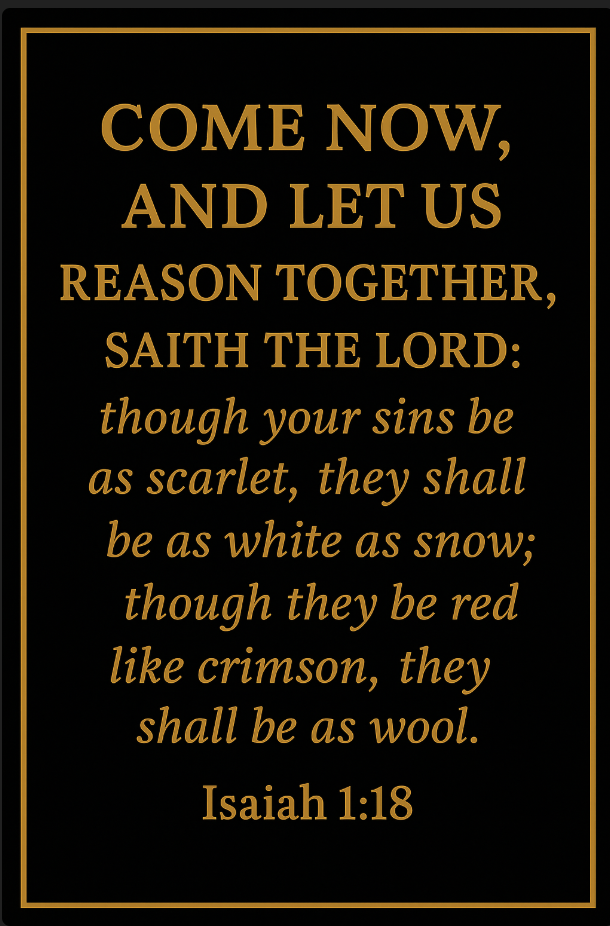
7. The Christlike Solution: Reason Together (Isaiah 1:18)
God Himself models the relational goal:
“Come now, and let us reason together.”
Reasoning requires:
-
openness
-
listening
-
humility
-
accountability
-
emotional steadiness
-
willingness to understand
This is the cure for the “war spirit” in Psalm 120.
Peace is not passive.
Peace is not weakness.
Peace is not silence.
Peace is the courageous act of maturity.
8. Part 3 Summary: What Psalm 120 Trains Us to Become
A healthy, mature Christian:
- is “other centered’ not self centric, not overly self involved and still has remaining hujman empathy and Jesus Christ like “human compassion’
-
communicates peacefully
-
refuses manipulation
-
avoids emotional weapons
-
listens well
-
apologizes sincerely
-
remains approachable
-
values dignity
-
reasons together
-
practices mutual respect
-
rejects drama and control
-
walks in the wisdom from above
A spiritually unsafe person:
-
seeks “self”
- remains “indifferent”
-
resists peace
-
distorts truth
-
controls conversations
-
uses silence or anger as punishment
-
refuses accountability
-
prefers war over reconciliation

FINAL THOUGHT: A Psalm for Our Times
Psalm 120 is not simply about ancient enemies—
it is about modern relationships, home life, marriage dynamics, ministry culture, and the state of the heart.
It asks every believer:
**Do I create peace, or do I create war?
Do I bring clarity, or confusion?
Do I use respect, or control?
Do I reflect Christ, or the old nature?**
This is the true test of spiritual maturity.
(C)2025 Taveau D’Arcy Creative Leadership All copyrights reserved in conjunction with AI