
PART 1 OF 4 RELATIONSHIP WARS PSALM 120 (MATURE FRIENDS, FAMILY, GOODLy FELLOWSHIP)
ARTICLE 1 of 4
RELATIONSHIP WARS PSALM 120
GOD’S BLUEPRINT FOR UNDERSTANDING TOXIC RELATIONSHIPS, EMOTIONAL DISTRESS & RELATIONAL WARFARE**
(C) 2025 Taveau D’Arcy Creative Leadership All rights reserved
Note this is a companion series to REAL RESPECT: Emotional Drama & Family Witchcraft 4 parts
EORR Cross Body Unity • IFFM Mentoring
PSALM 120 (KJV)
-
In my distress I cried unto the LORD, and he heard me.
-
Deliver my soul, O LORD, from lying lips, and from a deceitful tongue.
-
What shall be given unto thee? or what shall be done unto thee, thou false tongue?
-
Sharp arrows of the mighty, with coals of juniper.
-
Woe is me, that I sojourn in Mesech, that I dwell in the tents of Kedar!
-
My soul hath long dwelt with him that hateth peace.
-
I am for peace: but when I speak, they are for war
INTRODUCTION
Psalm 120 is a cry from the heart of someone longing for peace but surrounded by people who want conflict.
It describes:
-
emotional distress
-
verbal and psychological pressure
-
manipulative communication
-
false accusations
-
relationship hostility
-
unsafe homes and ministry environments
-
control dynamics
-
unreasonableness
-
emotional drama
-
situations where one person is willing to talk and the other is not
This Psalm becomes the foundation Scripture for understanding:
-
emotional abuse
-
manipulation
-
witchcraft (control, domination, manipulation using a wrong power source)
-
power games
-
jealousy
-
bitterness
-
silent treatment
-
relational warfare
-
ministry misuse of authority
-
family cut-offs
-
broken communication
Psalm 120 validates the experience of a believer who says:
“I want to reason things out, but the other person refuses.”
SECTION I — VERSE-BY-VERSE EXPOSITION
1. “In my distress I cried unto the LORD, and He heard me.”
Distress here means deep emotional pressure — relational distress, not physical.
-
the spouse trying to talk but constantly shut down
-
the minister falsely accused
-
the parent hurt by constant misjudgment
-
the believer manipulated by emotional games
-
the person who fears conversations because they end in explosions
The Psalm begins not with God correcting — but with God listening.
God hears the emotionally battered before He deals with the aggressor.
2. “Deliver my soul, O LORD, from lying lips and a deceitful tongue.”
This is not just dishonesty.
This is twisted communication, including:
-
manipulation
-
exaggerated drama
-
contradictory stories
-
false narratives
-
accusations without evidence
-
spiritualized intimidation
-
gaslighting
-
intentional misrepresentation
The Psalmist is pleading:
“Lord, save me from people who twist truth for power.”
3. “What shall be done unto thee, thou false tongue?”
The false tongue:
-
destroys relationships
-
erodes trust
-
undermines marriages
-
divides families
-
splits churches
-
damages reputations
This verse announces judgment on destructive communication patterns.
4. “Sharp arrows of the mighty, with coals of juniper.”
Two images:
Arrows
= cutting comments, sarcasm, contempt, shaming, humiliation.
Coals of juniper
= bitterness that burns hot and long; unresolved resentment.
This is the emotional atmosphere of manipulation and abusive behavior.
5. “Woe is me, that I sojourn in Mesech… dwell in the tents of Kedar!”
Mesech and Kedar were violent, hostile, unsafe territories.
This represents:
-
living with emotionally unstable people
-
unsafe ministry culture
-
chaotic households
-
relational volatility
-
unspoken tension
-
environments without peace
It is the feeling of living “far from home.”
6. “My soul hath long dwelt with him that hateth peace.”
This is the exhaustion of:
-
long-term mistreatment
-
repeated cycles of drama
-
manipulation
-
passive-aggressive behavior
-
rage episodes
-
cold withdrawal
-
silent treatment
-
no willingness to talk
It describes MANY marriages, families, ministries, and friendships.
7. “I am for peace: but when I speak, they are for war.”
This is:
-
the believer trying to communicate
-
the spouse wanting to sit down and talk
-
the parent seeking clarity
-
the minister wanting to reason
-
the grandparent reaching out gently
-
the family member willing to apologize
And yet:
-
the other person escalates
-
turns away
-
blocks
-
avoids
-
hides
-
responds with hostility
-
controls the narrative
-
refuses healing
This is the heart of relational oppression.
SECTION II — PSALM 120 AND CUT-OFF FAMILY MEMBERS
(Parents / Grandparents / Estranged Born-Again Believers)**
Psalm 120 profoundly describes the pain of:
-
the parent cut off by an adult child
-
the grandparent blocked from grandchildren
-
the believer ghosted, ignored, or erased
-
someone willing to reason but met with distance
-
the Christian who wants peace but receives emotional warfare
-
the one who reaches out, but the other hides or avoids them
This is exactly Psalm 120:7:
“I am for peace, but when I speak, they are for war.”
Such individuals:
-
block communication
-
restrict access to grandchildren
-
use avoidance as control
-
refuse negotiation
-
won’t allow biblical communication
-
weaponize silence
-
rewrite history
-
maintain power through distance
This is not forgiveness or healthy boundaries —
it is emotional dominance.
Yet God sees, hears, and validates the parent or grandparent who mourns loss and wants reconciliation.
Isaiah 1:18 shows God’s heart:
“Come now, let us reason together.”
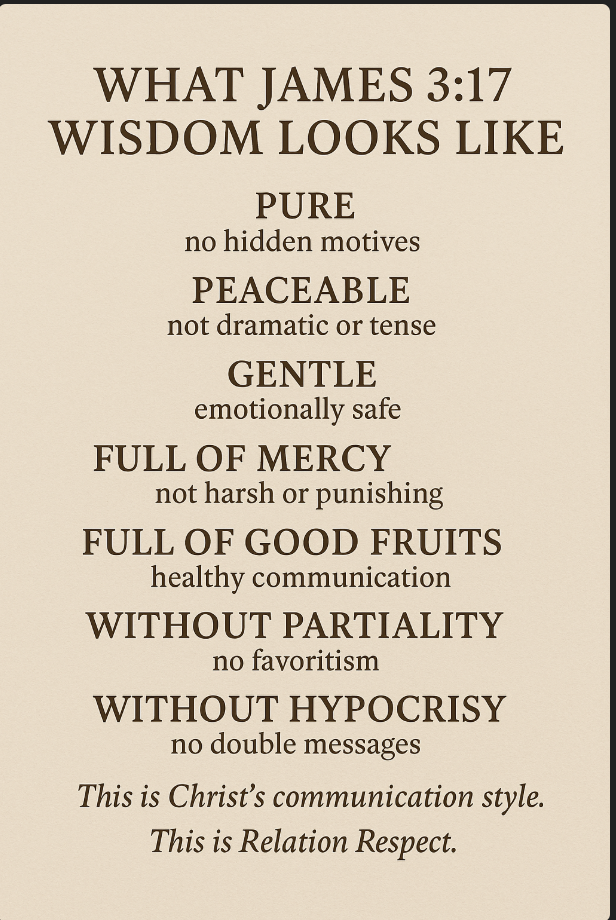
James 3:17 shows the heart of heavenly wisdom:
“Easy to be intreated.”
Cut-off behavior often reflects:
-
fear
-
bitterness
-
manipulation
-
pride
-
unhealed wounds
-
influence of others
-
avoidance of accountability
But GOD still turns hearts (Luke 1:17) and breaks dividing walls (Eph. 2:14–15).
Psalm 120 is your Scripture if you are willing to negotiate, talk, apologize, or repair — but the other person refuses.
SECTION III — RELATIONAL PATTERNS REVEALED IN PSALM 120
Psalm 120 exposes common abusive patterns:
* Emotional drama
* Manipulation
* Wrong power-source control (“witchcraft”)
* Bitter grudges
* Envy
* The Saul spirit
* Silent treatment
* Emotional punishment, cruel and demeaning , bullying, withholding affection
* Power games
* Controlling communication
* False accusation
* “Shifting stories”
* Avoidance and distancing
* Rewriting the narrative
* Unwillingness to reason
These are the exact patterns seen today in:
-
marriages
-
ministries
-
adult-child relationships
-
extended families
-
friendships
-
workplaces
Psalm 120 brings these behaviors into the light.

SECTION IV — GOD’S HEART TOWARD THE OPPRESSED BELIEVER
Psalm 120 shows that God:
* Hears your distress first
* Validates your experience
* Sees the manipulation
* Exposes the false tongue
* Breaks the arrows of accusation
* Confronts relational hostility
* Restores dignity
* Protects emotional health
* Defends truth over time
* Leads you toward safety and peace
God takes sides — He sides with truth, peace, negotiation, humility, and dignity.
He sides with the one who wants peace.
He does NOT affirm the one who uses avoidance or hostility to maintain control.
CONCLUSION OF ARTICLE 1
Psalm 120 is not just a cry.
It is a diagnosis, a framework, and a biblical validation of emotional suffering in relationships.
It prepares the way for:
-
PART 2 — Real Respect (James 3:17, Isaiah 1:18)
-
PART 3 — Recognizing Destructive Patterns
-
PART 4 — Healing, Repair, and Reconciliation
-
The companion article (Luke 1:17, Eph. 2:14–15, Isaiah 1:18)
This Psalm becomes the root of your entire Real Respect teaching movement.
(C)2025 Taveau D’Arcy Creative Leadership all copyrights reserved in conjunction with AI