
CHRISTIAN ATTACK AND ACCUSATION IN A VINDICTIVE BIG CULTURE #1
THIS APOSTOLIC SERIES is Submitted as Thoughtful Selah to the Christian, and for the Christian, also by the Christian, however all other faiths and belief sets are welcome, valued and respected!
“Accusing Church Ain’t for the Faint Hearted” Apostle Paul 2 Timothy 3:1-8 Last Days Perilous Times Alarm

PART 1
CHRISTIAN ATTACK, ACCUSATION IN A VINDICTIVE BIG CULTURE
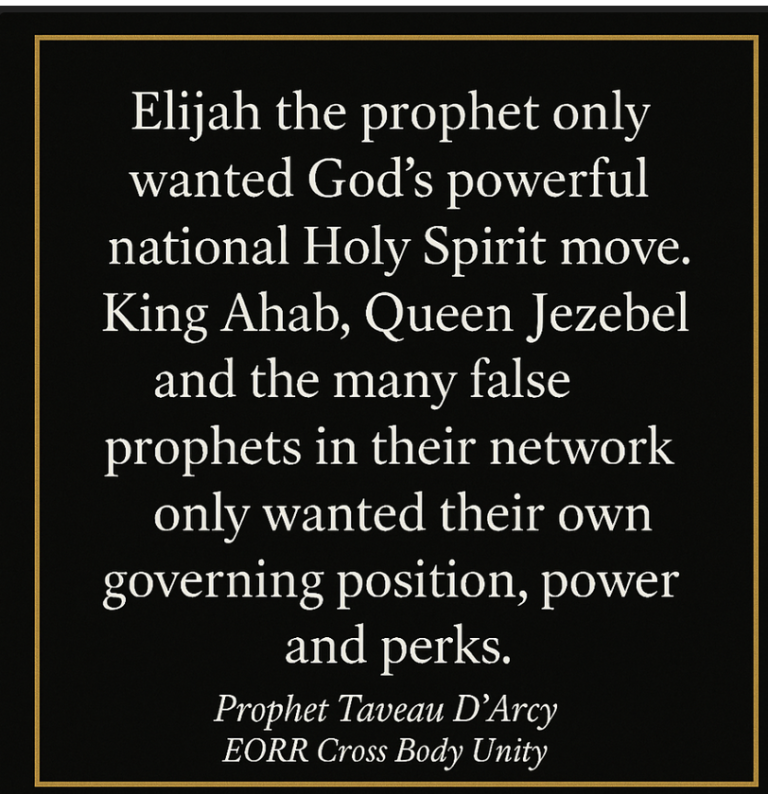
When “Discernment” Becomes Character Assassination
“Be ye kind one to another, tender hearted, forgiving one another, as Christ has forgiven you.” Apostle Paul, addressing the diverse community Ephesians 4:32 KJV
(C)2026 Taveau Creative Leadership. All rights reserved.
PROPHECY IN THE LOCAL CHRISTIAN COMMUNITY:
Pertaining to the Christian Seer Gift
1. The Salem Pattern
Spectral Evidence and Modern Prophetic Accusations
History sometimes repeats itself in unexpected ways.
One of the most tragic examples in American history occurred during the Salem witch trials of 1692.
During these trials, some accusations were based on something called spectral evidence.
Spectral evidence meant that a person claimed to see another individual’s spirit, influence, or invisible presence causing harm.
The accused person could not defend themselves because the accusation depended on a private supernatural impression rather than verifiable facts.
As history records, many innocent people were condemned through this method.
2. The Lesson of Salem
The Salem trials illustrate a dangerous principle.
When accusations depend only on personal spiritual impressions, the process of justice collapses.
Anyone can be accused.
No evidence is required.
Fear spreads quickly through the community.
Eventually entire groups become suspicious of one another.
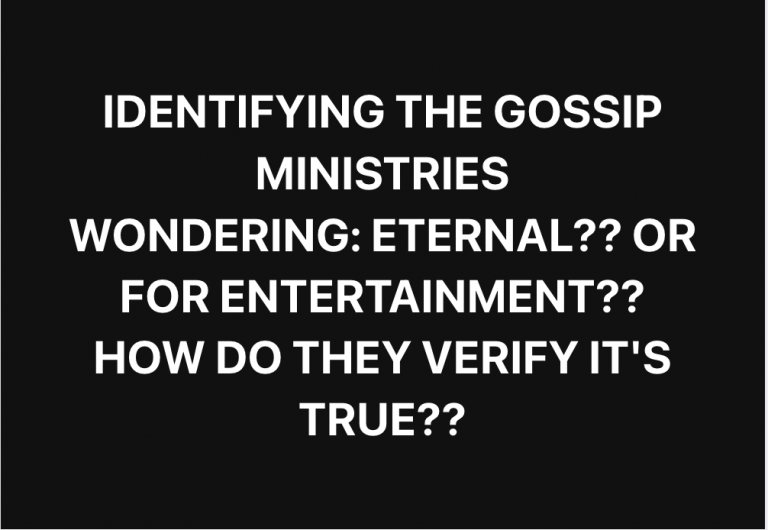
This pattern is not limited to history. Similar dynamics can appear whenever spiritual claims replace truth, evidence, and relationship.
3. The Biblical Standard for Accusations
Scripture provides very clear safeguards.
Deuteronomy 19:15 (KJV)
“One witness shall not rise up against a man for any iniquity, or for any sin… at the mouth of two witnesses, or at the mouth of three witnesses, shall the matter be established.”
God established this principle to protect people from false accusations.
Serious claims required multiple witnesses and verifiable evidence.
The New Testament Continues the Same Principle
The early church followed this same protection.
1 Timothy 5:19 (KJV)
“Against an elder receive not an accusation, but before two or three witnesses.”
Paul understood how easily reputations could be destroyed.
Therefore accusations were not to be accepted lightly.
3. The Danger of Invisible Accusations
In some modern prophetic environments, accusations may arise from statements such as:
• “The Lord showed me something about you.”
• “I discern a spirit operating in this person.”
• “I saw this in the spirit realm.”
I believe that I had a about this person: the senior pastor, and he (she) was living in sin…”
While spiritual discernment is real, accusations based solely on invisible impressions can become extremely dangerous.
Without evidence or relationship, such statements can damage lives and ministries.
This begins to resemble the same spectral accusation pattern that history warns about.
4. The Difference Between Discernment and Accusation
Biblical discernment is protective.
It recognizes influences and warns the church carefully.
But discernment operates with:
• humility
• accountability
• confirmation
• wisdom
Discernment does not function as public speculation about other people’s hidden lives.
5. The Spirit of Restoration
The New Testament consistently directs believers toward restoration rather than condemnation.
Galatians 6:1 (KJV)(**
**A deleted Scripture among the LP Submission Freaks, subculture of invasive, agressive, targeting and accusing false witness bearing: divining, deep scanning, alias “psyscho prophets”)
“Brethren, if a man be overtaken in a fault, ye which are spiritual, restore such an one in the spirit of meekness…”
The goal of spiritual maturity is restoring people, not destroying them.

6. The Responsibility of Leaders
Those who speak publicly in the name of God carry a serious responsibility.
James 3:1 (KJV)
“My brethren, be not many masters, knowing that we shall receive the greater condemnation.”
Teachers and ministers will be judged more strictly because their words influence many people.
Therefore accusations must be handled with great caution and humility.
7. Summary
The Salem witch trials demonstrate what happens when accusations depend on unverifiable spiritual impressions. (Mind, Vibe, weird impressions. It seems to be occult)
Scripture provides a safer model.
Serious accusations must involve:
• evidence
• witnesses
• careful investigation
• a goal of restoration
The church must guard against repeating historical mistakes in a modern form.
LAST APOSTOLIC LEADER WORD
God never intended His people to judge one another based on invisible impressions alone.
Truth must be confirmed.
Justice must be careful.
And the purpose of correction must always be restoration, not destruction.
MEGA POINT: The Witch List Phenomenon: Labeling Christians as Witches.”
The Witch List Phenomenon
Labeling Christians as Witches
In some modern prophetic or deliverance-oriented ministries, a troubling pattern has appeared.
Certain leaders claim to identify “witches,” “Jezebels,” or spiritually dangerous individuals inside Christian communities.
Sometimes these accusations become informal lists of suspected people.
These lists may circulate privately among ministry networks or publicly through:
• sermons
• conferences
• social media
• online broadcasts
Individuals may be labeled as witches or spiritual enemies without relationship, investigation, or evidence.
This practice raises serious biblical concerns.
POINT: The Biblical Use of the Word “Witch”
In the Old Testament the term referred to occult practitioners.
Exodus 22:18 (KJV) (Old Testament, not New, so take this now literally)
“Thou shalt not suffer a witch to live.”
The Hebrew word refers to a person practicing sorcery or magical arts.
This command addressed actual occult activity, not personality conflicts or ministry disagreements.
Scripture never instructs believers to begin identifying fellow Christians as witches through suspicion or spiritual impressions.
WHO IS AN ACTUAL WITCH?
Due to the heightened, most prophetic, apostolic Book of Acts movements, ministry obsession which breeds fruit of accusation, and “reading, divining, dark scanning certain people” to avoid “trouble being sidetracked with undue baggage, we asses Humanity with Jesus Christ, Apostle Paul, the very first seeking Church, who never did that. That would be viewed as accusative pagan, way back then.
TD POINT: Many people are into the occult, but in the Christian sense, we advise another “perspective” to assess, evaluate and to ‘judge” what is witchcraft: In a leader, minister, office, ministry ,program or lay:
I will define “witchcraft” in calmer Bible awareness terms as their many level, realms, practices in it just like prayer, worship and being anointed by/with the Holy Spirit.
The New Testament Context
The New Testament church encountered real occult practices.
Acts 19:19 (KJV)
“Many of them also which used curious arts brought their books together, and burned them before all men…”
Those who practiced sorcery repented voluntarily after believing the gospel.
Notice what the apostles did not do.
They did not circulate lists of suspected witches among believers.
They preached Christ and allowed repentance to follow.
The Danger of Mislabeling
When believers begin labeling other Christians as witches, several dangers arise.
1. False witness
Exodus 20:16 (KJV)
“Thou shalt not bear false witness against thy neighbour.”
False accusations damage reputations and relationships.
2. Fear and suspicion
When members fear being secretly labeled, trust within the church collapses.
Fellowship becomes guarded rather than open.
3. Division in the body of Christ
The church becomes divided into categories such as:
• “true believers”
• “Jezebels”
• “witches”
• “dangerous people”
These labels often reflect personal interpretation rather than biblical investigation.
4. Passed Down Accepted Evil
(as in dark, twisted, like “wicker/wiccan” and cunning Traditions From Other Prior Movements or Accepted as Bible, Word of Mouth Local Winds and Trends of Available Mentoring, plus the Enormous Culture and Media, which is hugely Widespread, often Genteel Poverty Rooted Mindsets, area mentalities and witchy winds of superior Doctrine
The Biblical Approach to Spiritual Conflict
Scripture acknowledges real spiritual warfare.
Ephesians 6:12 (KJV)
“For we wrestle not against flesh and blood, but against principalities, against powers…”
Notice the emphasis.
The struggle is not against people, but against spiritual forces.
When believers begin attacking one another as enemies, the focus shifts away from the true battle.
The Test of Love
The New Testament repeatedly emphasizes love as the primary mark of Christian maturity.
John 13:35 (KJV)
“By this shall all men know that ye are my disciples, if ye have love one to another.”
If ministry culture produces:
• suspicion
• hostility
• labeling
• fear
then something has moved away from the spirit of Christ.
Discernment Without Accusation
Discernment is necessary in the church.
But discernment should lead to:
• wisdom
• caution
• prayer
• careful leadership decisions
It should not produce public labels or rumors about individuals.
A Summary
The practice of creating witch lists or labeling believers as witches has no clear support in the New Testament model of church life.
Instead Scripture calls believers to:
• walk in truth
• avoid false accusation
• pursue restoration
• maintain unity in Christ
The church protects itself best through Scripture, wisdom, and mature leadership, not through suspicion and labeling.
Plain summary
Spiritual warfare is real.
But Christians are not called to hunt witches among fellow believers.
They are called to walk in truth, love, and wisdom together.
“

Christian Ministry Relationship vs. Divination
The Heart of Biblical Discernment
Throughout Scripture, God deals with people through relationship.He calls individuals, speaks to them, walks with them, corrects them, and restores them. This relational pattern appears from Genesis through the New Testament church.However, when spiritual practices attempt to read people from a distance without relationship, they begin to resemble something Scripture repeatedly warns against: divination.

What Is Divination?
The Bible clearly condemns divination.
Deuteronomy 18:10–12 (KJV)
“There shall not be found among you any one that maketh his son or his daughter to pass through the fire, or that useth divination, or an observer of times, or an enchanter, or a witch,
Or a charmer, or a consulter with familiar spirits, or a wizard, or a necromancer.
For all that do these things are an abomination unto the LORD…”
Divination refers to seeking hidden knowledge through supernatural means apart from God’s relational guidance.
The Hebrew word often translated divination is qesem, meaning attempts to obtain secret knowledge or control outcomes through spiritual manipulation.
The Difference Between Discernment and Divination
Scripture teaches that the Holy Spirit gives believers spiritual discernment.
1 Corinthians 12:10 (KJV)
“…to another discerning of spirits…”
Discernment helps protect the church from deception.But biblical discernment operates within several safeguards:• humility
• accountability
• Scripture
• relationship
• confirmation
Divination, by contrast, attempts to discover hidden information about people without those safeguards.
The Relational Pattern of Jesus
Jesus demonstrated perfect spiritual perception.
John 2:25 (KJV)
“…he knew what was in man.”
Yet Jesus did not wander through crowds publicly declaring hidden sins of strangers.Instead, He engaged people personally.Consider several examples:• The Samaritan woman (John 4)
• Zacchaeus (Luke 19)
• The woman caught in adultery (John 8)In each case Jesus addressed the person within a direct relationship and with the goal of restoration.
The Danger of Distance Discernment
Modern ministry culture sometimes promotes a practice that might be called distance discernment.A person claims to know spiritual conditions about individuals whom they have never met or spoken with.This may involve statements such as:• “I sense something about this person.”
• “I discern a spirit on that leader.”
• “God revealed their hidden motives.”Without relationship or evidence, such claims can easily become speculation presented as revelation.This begins to resemble the same
pattern as divination: seeking hidden knowledge about others without relational context.
The First Church Pattern
The early church functioned within shared community life.Believers knew one another personally.Correction and guidance occurred through direct interaction.
Ephesians 4:15 (KJV)
“But speaking the truth in love, may grow up into him in all things…”Truth was spoken within love and relationship.This prevented anonymous accusation or distant judgment.
The Wisdom Test
Scripture gives a clear description of genuine spiritual wisdom.
James 3:17 (KJV)
“But the wisdom that is from above is first pure, then peaceable, gentle, and easy to be intreated, full of mercy and good fruits ,and is without partiality, without hypocrisy”
• mercy
• humility
• good fruit
The Foundation of Spiritual Maturity
Christian maturity grows through relationship with God and with one another.
1 John 1:7 (KJV)
“But if we walk in the light, as he is in the light, we have fellowship one with another…”
Closing Summary
Biblical discernment grows out of relationship with God and genuine fellowship with people.Divination seeks hidden knowledge without relationship.The church must therefore distinguish between:Spirit-led discernment that protects and restores and distance-based speculation that accuses and divides.
BIG QUESTIONS/ NEED THEOLOGY TUTORING ($45.OO a session) sliding Scale
Contact:

(C)2026 Taveau Creative Leadership. All rights reserved, in conjunction with AI.